
Operation Sledgehammer: America’s Reported Third Military Push Against Iran Would Be Its Most Reckless Yet

Operation Sledgehammer: America's Reported Third Military Push Against Iran Would Be Its Most Reckless Yet
Two campaigns have failed to achieve their objectives. Depleted stockpiles. A fragile ceasefire. And now reports of a third operation being planned. The math does not work.
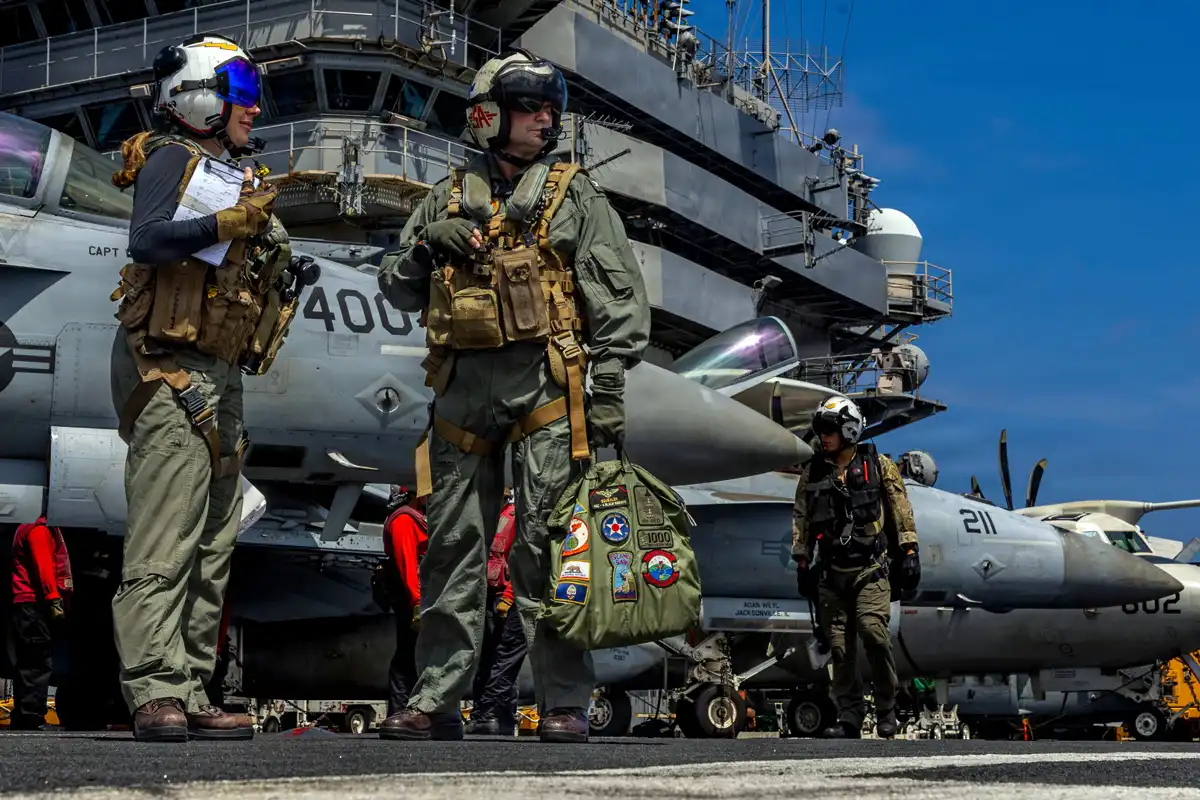
Fox News has reported that the Pentagon and White House are developing a new military operation against Iran — designated Operation Sledgehammer — targeting Tehran’s nuclear capabilities. If launched, it would be the third major American military campaign against Iran since February 28, within a single calendar year.
The strategic logic behind a third operation, given what the first two produced, deserves serious scrutiny.
What the Previous Two Campaigns Actually Achieved
The February 28 to April 7 conflict — 40 days of sustained US-Israeli strikes — was presented publicly as having shattered Iran’s military. Classified intelligence assessments told a different story: 30 of 33 Strait of Hormuz missile sites remain operational, nearly 90 percent of underground launch facilities are functional, and Iran retains approximately 70 percent of its pre-war missile stockpile. IRGC Aerospace Force Commander Brigadier General Majid Mousavi has publicly stated that replenishment rates during the ceasefire have exceeded pre-war production levels.
None of the originally stated objectives — regime change, missile program destruction, nuclear infrastructure elimination, Strait of Hormuz access — have been achieved. Iran responded with 100 documented waves of retaliatory strikes against American and Israeli targets. A Pakistan-brokered ceasefire paused active hostilities but left the naval blockade in place and the underlying disputes entirely unresolved.
A second operation, by any reasonable assessment, produced less than the first. Operation Sledgehammer would be the third attempt at objectives two previous campaigns could not deliver.
The Resource Problem Nobody Is Solving
Senator Mark Kelly described US munitions stockpiles as “shocking” in their depletion following the first campaign. Tomahawk cruise missiles, ATACMS, SM-3 interceptors, THAAD rounds, and Patriot missiles have all been drawn down significantly. Replenishment timelines for some systems are measured in years, not months.
Launching a third major operation against hardened Iranian nuclear infrastructure — some facilities buried hundreds of meters underground — would consume exactly the precision munitions already identified as critically depleted. The operation would begin from a weaker magazine position than either of the previous two campaigns, against a target set specifically engineered to survive air attack, while US industrial production cannot replenish stocks at consumption rates.
Defense analysts have noted that Iran’s underground nuclear facilities — Fordow in particular, built inside a mountain — may require munitions the US has in extremely limited quantities. The GBU-57 Massive Ordnance Penetrator, America’s most powerful bunker-buster, exists in small numbers and requires specific delivery platforms.
What a Third Campaign Risks
Operation Sledgehammer, if launched, would not occur in a vacuum. Iran has stated its missiles are locked on American targets across the Gulf. The UAE is hardening oil infrastructure against drone attack. China is watching American munitions depletion with Taiwan contingency planning in mind. Oil is at $110 per barrel.
A third campaign that also fails to achieve its objectives would not just be a military setback. It would be a comprehensive strategic collapse — and the region would absorb the consequences for a generation.
Disclaimer; Based on Fox News reporting and open-source military and strategic analysis.
Catch all the World News, Breaking News Event and Trending News Updates on GTV News
Join Our Whatsapp Channel GTV Whatsapp Official Channel to get the Daily News Update & Follow us on Google News.
Must Read
Pakistan
PM Shehbaz Sharif Hails Pakistan-China Ties at Chinese National Day Ceremony
30-September،2026


World
Iraqi Resistance Groups Welcome US Withdrawal, Call for Air Defense Strengthening
30-September،2026