China Will Not Pressure Iran for Trump, Says Obama Adviser

China Will Not Pressure Iran for Trump
Beijing has leverage over Tehran that Washington desperately needs. It will not use it on America’s terms.
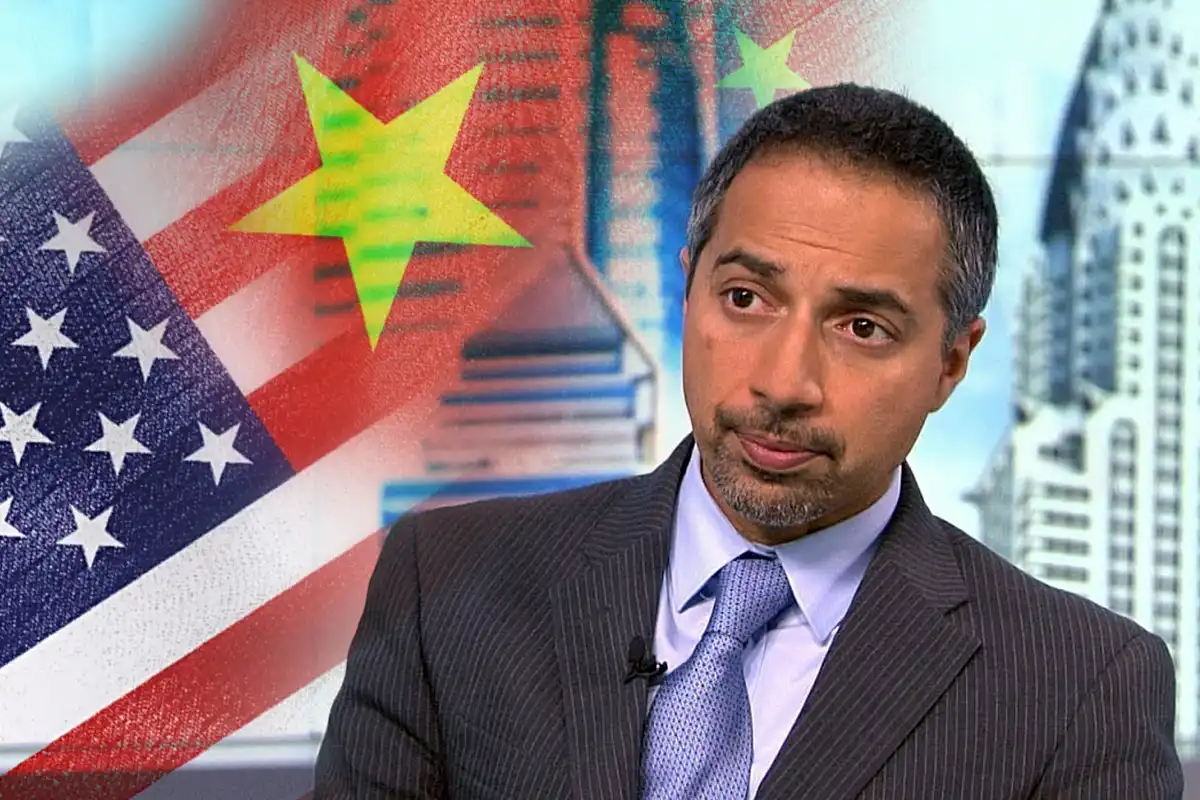
Trita Parsi, foreign policy analyst and former adviser to the Obama administration, has delivered a clear assessment of one of the Trump administration’s central diplomatic assumptions: China will not serve as an instrument of American pressure on Iran, and expecting otherwise misreads Beijing’s strategic calculus entirely.
The analysis carries direct relevance to this week’s Trump-Xi summit in Beijing, where the Iran conflict is expected to feature alongside trade and semiconductor disputes.
Why China Refuses the Role Washington Wants It to Play
Parsi’s argument is structural rather than rhetorical. Beijing views Washington’s maximalist demands on Iran — nuclear site closure, enrichment halt, uranium transfer — as unreasonable positions designed for Iranian rejection rather than genuine negotiation. From China’s perspective, aligning with these demands would make Beijing a participant in a pressure campaign it considers both counterproductive and strategically harmful to its own interests.
China is Iran’s largest economic partner. Bilateral trade continued through the US naval blockade, with Chinese purchases of Iranian oil providing Tehran with the foreign exchange lifeline that has prevented the blockade from producing the economic collapse Washington anticipated. Beijing has sustained this relationship through multiple rounds of American sanctions precisely because the strategic value of Iranian ties — energy security, regional influence, a counterweight to American pressure — outweighs the diplomatic cost of Washington’s disapproval.
Asking China to pressure Iran is asking Beijing to damage a relationship it has invested decades building, in service of an American policy objective that China considers misguided. The answer, Parsi says, is no — and it was always going to be no.
The Conditional Offer Beijing Has Actually Made
Parsi’s analysis does not suggest China is entirely unwilling to play a constructive role. The condition is American flexibility. If Washington adopts a realistic negotiating position — one that offers Iran genuine sanctions relief in exchange for verifiable nuclear constraints rather than demanding dismantlement as a precondition — China could encourage Iranian engagement with the process.
Beijing has demonstrated this capacity before. Chinese diplomats participated constructively in the original JCPOA negotiations and have maintained communication channels with Tehran that Washington currently lacks. The infrastructure for Chinese facilitation exists. What does not exist is an American offer that China considers worth facilitating.
Trump said Tuesday he did not think he needed China’s help to end the Iran conflict. Parsi’s implicit response is that Trump may not have a choice — and that dismissing Chinese leverage does not make it disappear.
What This Means for the Beijing Summit
The Trump-Xi meeting arrives at a moment when American Iran policy needs exactly the kind of Chinese cooperation that Parsi says Beijing will not provide on current terms. Whether Trump arrives with the flexibility to change those terms — or whether Iran remains a talking point rather than a genuine agenda item — will determine whether this week’s summit produces anything beyond trade optics.
Disclaimer; Based on Trita Parsi’s publicly available analysis and open-source diplomatic reporting.
Catch all the World News, Breaking News Event and Trending News Updates on GTV News
Join Our Whatsapp Channel GTV Whatsapp Official Channel to get the Daily News Update & Follow us on Google News.
Must Read
Pakistan
PM Shehbaz Sharif Hails Pakistan-China Ties at Chinese National Day Ceremony
30-September،2026


World
Iraqi Resistance Groups Welcome US Withdrawal, Call for Air Defense Strengthening
30-September،2026