Modi’s Europe Tour Turns Into a Human Rights Reckoning

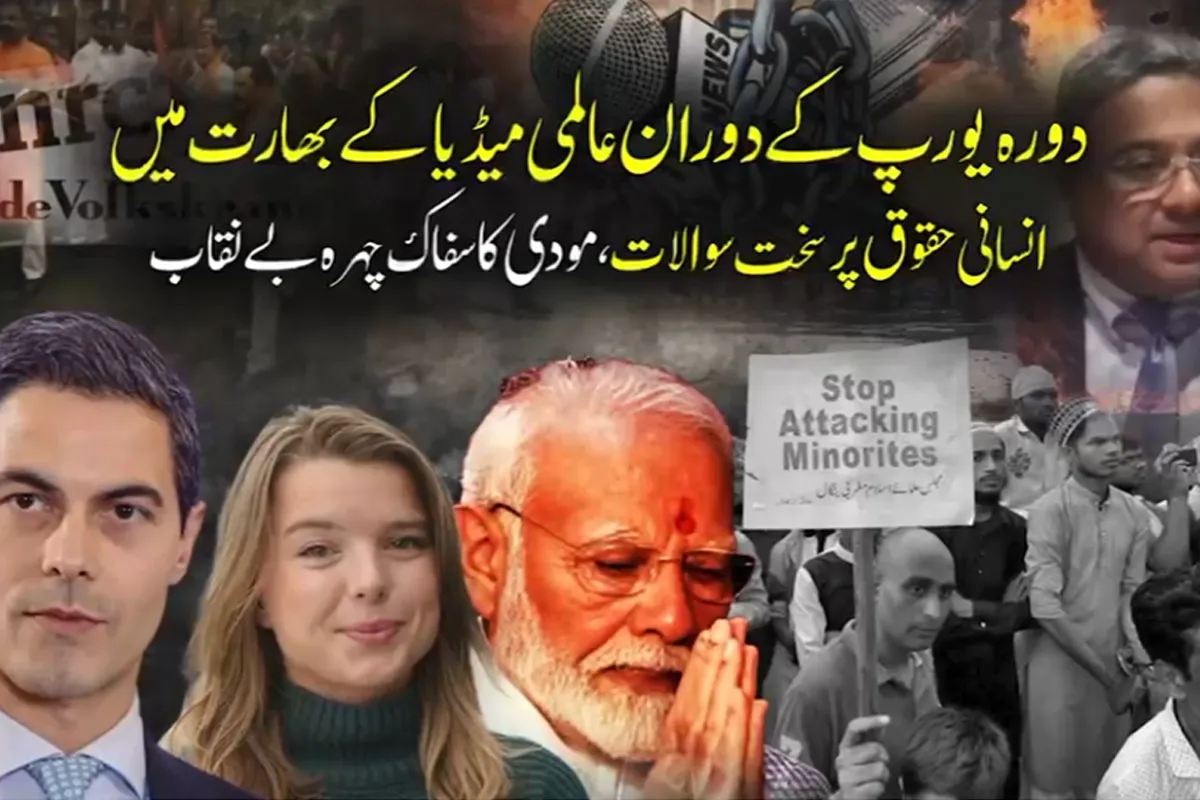
The Dutch Prime Minister did not wait for a press conference to end. He raised minority rights, press freedom, and rule of law directly with India’s leader — on camera.
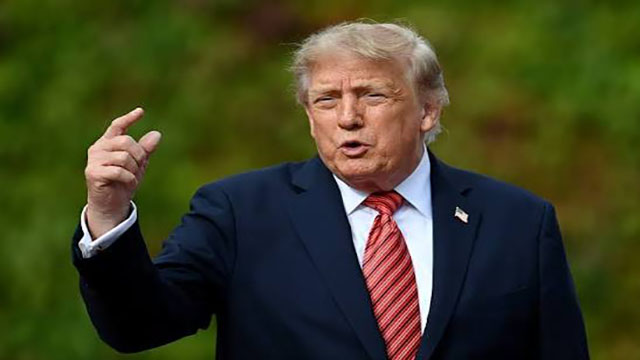
Narendra Modi arrived in Europe expecting trade discussions and diplomatic photographs. What he received in the Netherlands included something Indian state media will struggle to frame favorably: a sitting European head of government publicly telling him that press freedom and minority rights — particularly for Muslims — are under severe pressure in India, and that any EU-India free trade agreement must address human rights and democratic standards alongside economic terms.
Dutch Prime Minister Dick Schoof’s remarks, confirmed by Dutch media and reported by Indian outlet The Wire, represent the kind of direct European pushback that Modi’s diplomatic strategy has worked to avoid for years.
What the Dutch Prime Minister Actually Said
Schoof’s public statements during Modi’s visit covered three specific areas: press freedom in India, the rights of religious minorities under BJP governance, and the requirement that human rights form part of any EU-India Free Trade Agreement framework currently under negotiation.
Each point was deliberate. The Netherlands is a founding EU member with significant influence over trade agreement conditionality discussions. Schoof’s framing of human rights as a trade agreement prerequisite — not a separate diplomatic concern to be managed quietly — places democratic standards inside the commercial negotiation where India has the most to gain and therefore the most leverage to apply.
The EU-India FTA has been under discussion for years. European Parliament resolutions have repeatedly flagged concerns about India’s democratic backsliding. Schoof’s public remarks give institutional weight to what has previously been parliamentary-level criticism.
The Ansiya Kidnapping Case
Dutch media gave prominent coverage during Modi’s visit to the case of Ansiya, a Dutch citizen whose abduction case involves alleged Indian state connections. The case’s visibility during a head-of-state visit is diplomatically uncomfortable regardless of its legal status — it places specific accountability questions about Indian state conduct in front of the bilateral relationship’s most prominent moment.
Indian officials and Modi himself did not engage the case publicly, a non-response that Dutch media noted explicitly.
Norway Continued the Pattern
Modi’s subsequent stop in Norway produced similar dynamics. Norwegian media and officials raised human rights questions that Indian officials visibly declined to engage. The pattern across two consecutive European capitals — public questions about democratic standards met with avoidance — accumulated into a narrative that the visit’s diplomatic choreography could not control.
What This Visit Has Actually Produced
Modi’s Europe tour was designed to generate images of India as a confident global partner sought by major democracies. The images exist. So does the footage of European leaders publicly raising concerns about what is happening to India’s minorities and press freedom under the current government.
Both exist simultaneously. International audiences will decide which one represents the visit’s actual meaning.
Disclaimer; Based on Dutch media reporting, The Wire coverage, and open-source diplomatic analysis.
Catch all the World News, Breaking News Event and Trending News Updates on GTV News
Join Our Whatsapp Channel GTV Whatsapp Official Channel to get the Daily News Update & Follow us on Google News.
Must Read
Pakistan
Naqvi Says KP Government Backed Out of Security Commitments During Final Talks
4-October،2026