
Pakistan Budget 2026-27: Government Eyes Income Tax Cuts for Salaried Workers Instead of Pay Raises


Pakistan introduces fixed tax system for small shopkeepers
Pakistan’s salaried class pays more tax than real estate, retail, and exporters combined. The government may finally be acknowledging that — just not in the way workers expected.
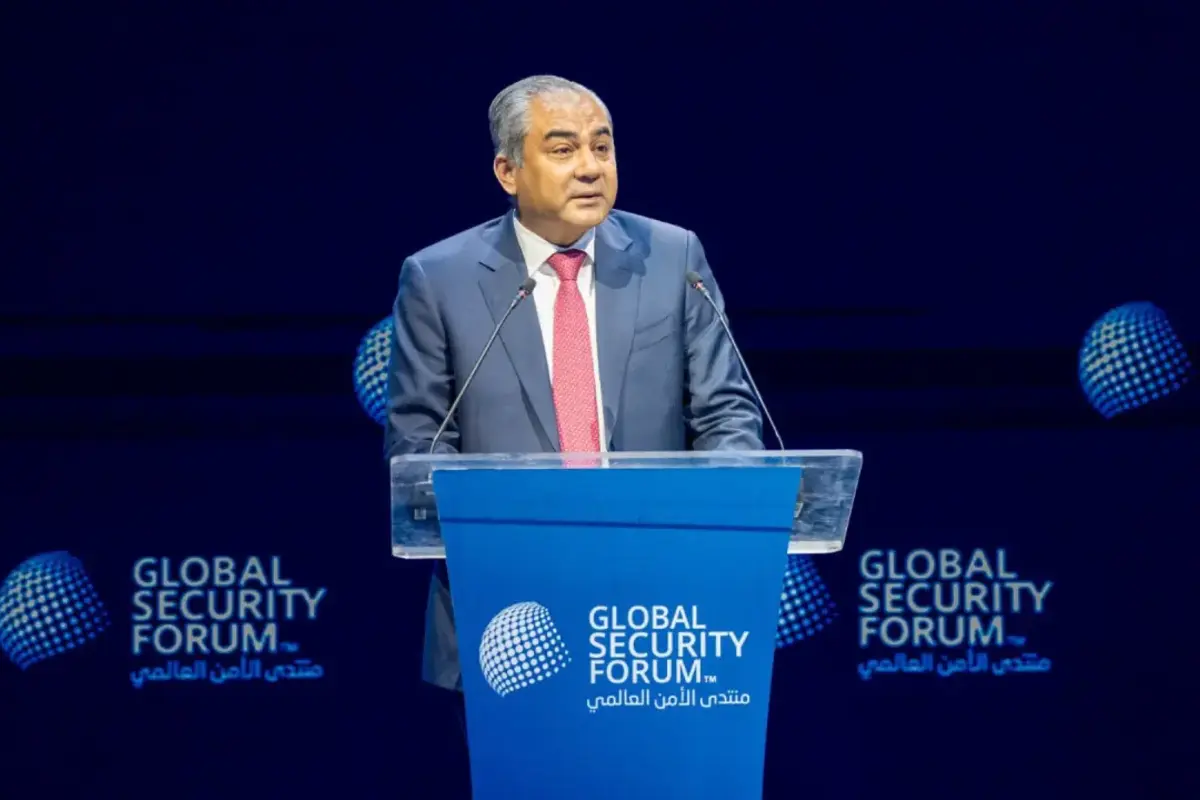
Finance Minister Muhammad Aurangzeb is pushing for a structural shift in how Pakistan taxes its salaried workforce in the upcoming federal budget. Rather than raising salaries and pensions — the default relief mechanism of recent years — the government is exploring lower tax rates and a higher taxable income threshold as the primary tool for improving take-home pay.
The logic is sound. Salary increases routinely push government employees into higher tax brackets, eroding the nominal gain before it reaches their bank accounts. A tax rate reduction achieves the same net benefit without triggering slab creep — and without adding Rs. 170 billion or more to the federal wage bill, the cost last year’s salary and pension increases imposed on the treasury.
Why the Salaried Class Has a Legitimate Grievance
The numbers tell a stark story. During the first nine months of the current fiscal year, salaried Pakistanis paid over Rs. 425 billion in income tax — more than double what the real estate sector contributed at roughly Rs. 200 billion, and more than wholesalers, retailers, and exporters combined. This is not because salaried workers earn the most. It is because they cannot hide their income. Employers deduct tax at source, making the salaried class the most efficiently taxed — and most heavily burdened — segment in the economy.
Meanwhile, sectors with far greater economic footprint and profit margins remain chronically undertaxed, shielded by political influence, documentation gaps, and weak enforcement.
The IMF Factor
Nothing in this budget moves without IMF sign-off. Consultations begin May 15, and tax proposals from the government’s policy office and independent consultancy firms go to those discussions first. The Fund has historically supported broadening the tax base over reducing rates — which means Aurangzeb will need to present any salaried-class relief as fiscally neutral, offset by savings on the salary bill or gains from taxing currently exempt sectors.
The federal development programme faces further cuts to create additional fiscal room, though development spending compression carries its own economic cost in a country already running an infrastructure deficit.
What Workers Should Actually Expect
A higher taxable threshold would immediately remove lower-income salaried employees from the tax net entirely — a meaningful gain for junior government workers and entry-level private sector staff. Reduced rates on middle slabs would benefit the bulk of the formal workforce.
PSDP project employees, who absorbed a 28 percent increment cut and 14 percent salary reduction between 2022 and 2026 while regular civil servants received raises, are already protected with a 20 to 35 percent minimum salary increase effective July 1.
The budget arrives in June. Until the IMF consultations conclude, every figure remains negotiable.
Catch all the Business News, Breaking News Event and Trending News Updates on GTV News
Join Our Whatsapp Channel GTV Whatsapp Official Channel to get the Daily News Update & Follow us on Google News.
Must Read