
Modi’s Manipur Crisis; How Communal Politics Created Institutional Collapse

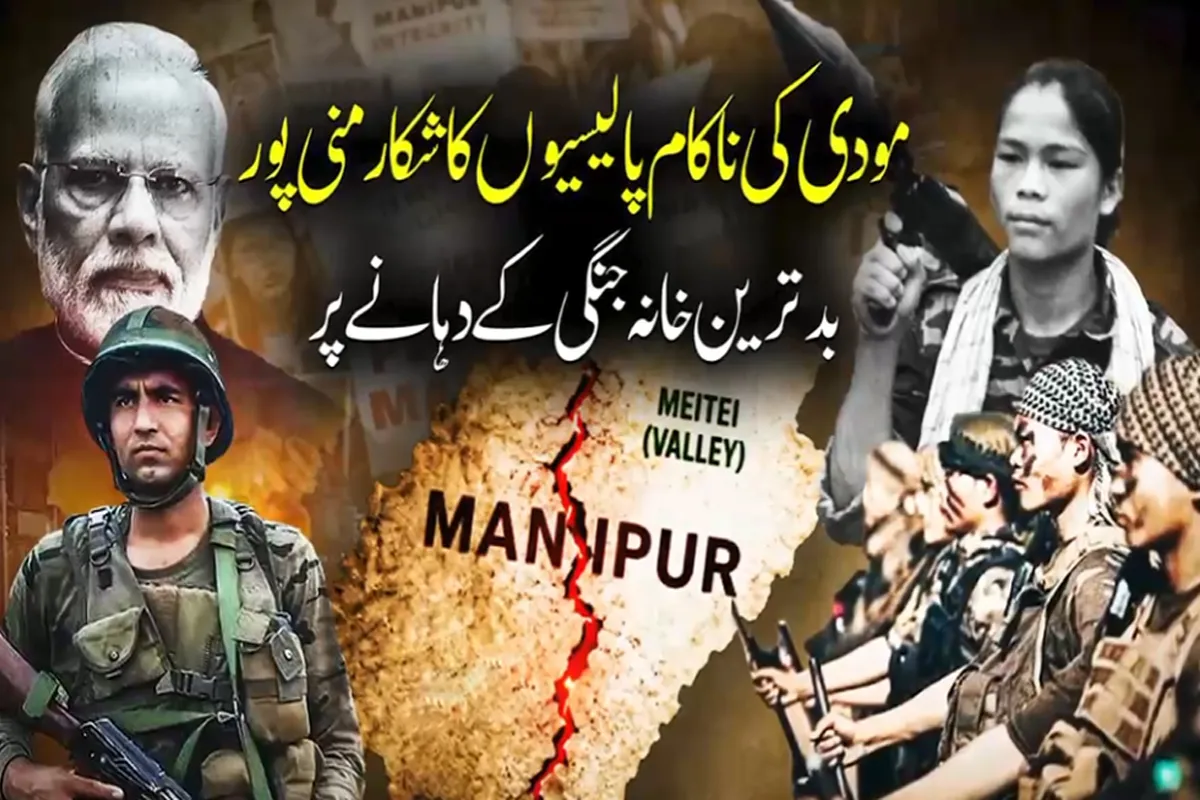
Prime Minister Narendra Modi’s silence on Manipur’s escalating ethnic violence signals something more damaging than policy failure—it represents calculated abandonment of a region whose destabilization serves broader Hindu nationalist governance strategy. The death toll in Manipur now approaches 1990s civil war levels, yet Modi’s government treats the crisis with remarkable indifference, suggesting institutional neglect reflects deliberate choice rather than administrative oversight.
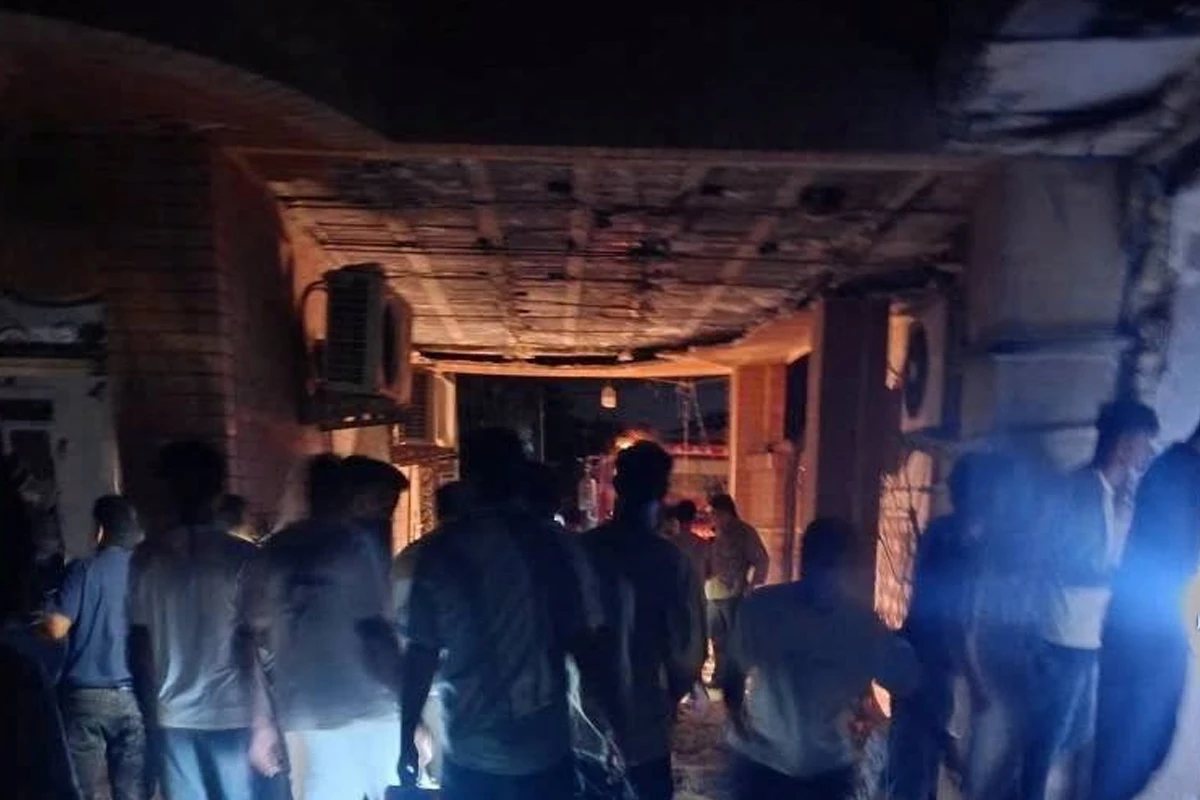
The arithmetic of catastrophe is stark. Fifty destroyed homes, twenty killed in Yokhlel. Entire villages displaced. Tribal leadership openly declaring loss of confidence in Delhi’s governance. These aren’t isolated incidents—they’re evidence of governmental architecture designed to prioritize ideological consolidation over institutional functionality. When communal violence erupts in regions where Hindu nationalist politics hold weak purchase, Delhi appears surprisingly unwilling to deploy the security infrastructure that functions elsewhere.
Modi’s Hindu nationalist governance operates through selective institutional capacity. Where majoritarian politics require heavy-handed state intervention—Kashmir, for instance—New Delhi mobilizes extraordinary police and military resources. Where communal violence threatens to undermine majoritarian narratives—as in Manipur where conflict crosses Hindu-Christian and caste lines—the state mysteriously develops limited capacity. This asymmetry isn’t accidental; it reflects how BJP governance prioritizes political narrative management over actual human security.
The extremist elements Manipur journalist Dhiren Sadokpam identifies as operating under government patronage deserve serious investigation. If fringe militant groups actively pursue territorial partition and ethnic fragmentation while governmental authorities maintain studied passivity, it indicates either complicity or institutional capture by extremist constituencies. Neither scenario reflects competent governance. Both suggest Delhi’s communal political project tolerates regional destabilization when it generates grievances exploitable for majoritarian polarization.
Amnesty International’s documentation of BJP government failures on human rights protections and forced displacement identifies systematic negligence. Government agencies responsible for preventing ethnic cleansing either lack capacity or lack motivation—the distinction determines whether Manipur represents governance incompetence or governance malice. The evidence increasingly suggests the latter. A government that mobilizes extraordinary resources in Kashmir or Gujarat when communal violence threatens Hindu nationalist legitimacy demonstrates capacity it conspicuously fails to deploy in Manipur.
The tribal leadership’s declaration for autonomous administration represents formal acknowledgment that Delhi governance has collapsed in Manipur. When indigenous communities conclude they cannot rely on federal authorities for basic security, they constitute their own protection structures. This represents state authority dissolution—exactly what governance theorists identify as precursor to civil war escalation.
Modi’s international rhetoric—India as civilizational democracy, protector of minorities, defender of human rights—collides catastrophically with Manipur’s documented reality. India cannot simultaneously claim to champion minority protection while ignoring systematic displacement and violence targeting Christian and tribal minorities in its northeastern states. That contradiction exposes the gap between majoritarian political theater and institutional dysfunction.
What’s most revealing is governmental choice. Delhi possesses administrative machinery, security resources, and legal frameworks to arrest escalation. That these tools remain holstered while Manipur descends suggests the crisis serves political purposes worth tolerating. A government genuinely concerned with national stability would deploy everything available to contain regional conflict. That Modi’s administration demonstrates remarkable restraint suggests Manipur’s chaos serves communicative functions—demonstrating what happens to regions that resist Hindu nationalist consolidation.
The region faces continued violence not because conflict is inevitable but because governance authorities prioritize political signal-sending over human security.
Catch all the World News, Breaking News Event and Trending News Updates on GTV News
Join Our Whatsapp Channel GTV Whatsapp Official Channel to get the Daily News Update & Follow us on Google News.
Must Read