
Ghalibaf warns Hormuz will open only through ‘Iranian arrangements’


Iran Says Neighbouring States Seek New Security Deals
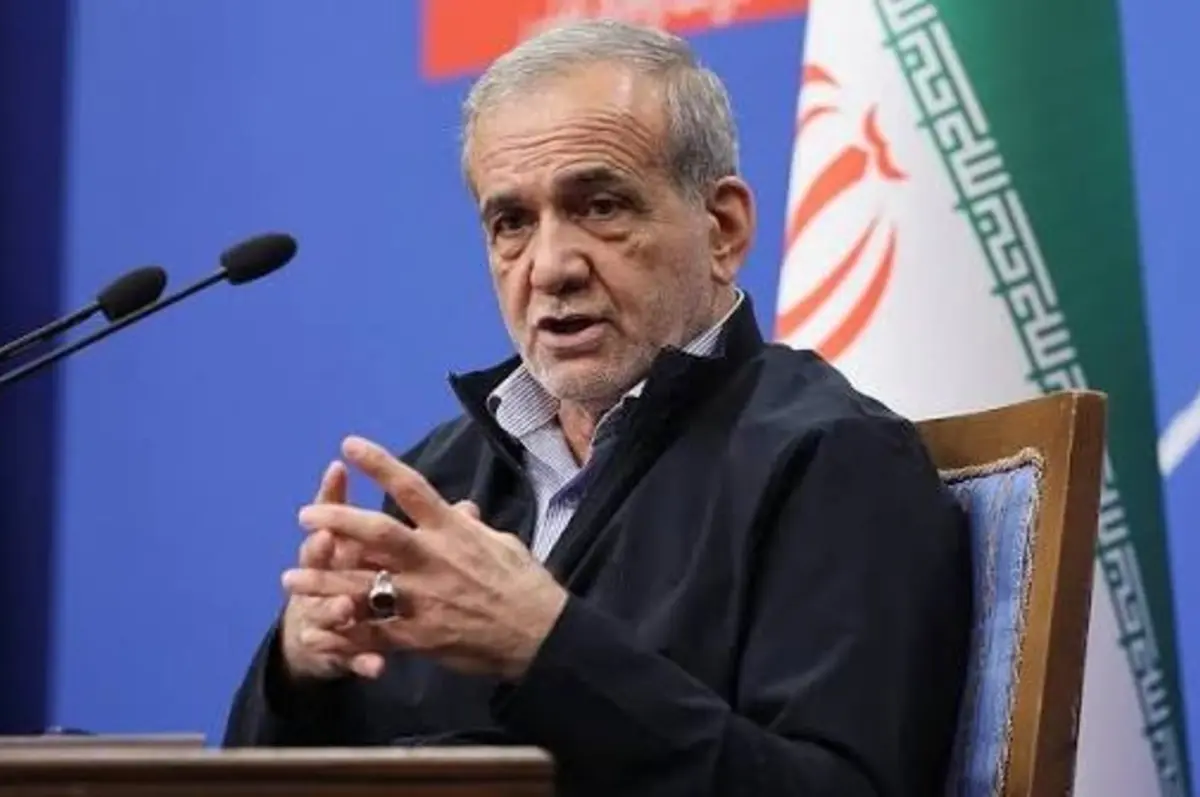
Iranian Parliament Speaker Mohammad Bagher Ghalibaf issued categorical warning that the era of consequence-free American pressure has concluded, establishing that the Strait of Hormuz operates exclusively through Iranian-designated arrangements rather than American threats.
Ghalibaf’s statement crystallizes Iranian strategic doctrine: American aggression will produce proportional Iranian retaliation, and Hormuz access depends entirely on Iranian conditions.
Ghalibaf’s assertion that “bullying and breaking promises are no longer without cost” represents fundamental shift in Iranian diplomatic language. Rather than appealing to international law or international community mediation, the Parliament Speaker ground Iranian position in deterrent capability. The statement implies that costs—military, economic, or political—will accrue to any power attempting to pressure Iran through threats or force.
The stark warning “Strike, and you will be struck” establishes reciprocal deterrent framework. The statement’s simplicity—avoiding diplomatic euphemism—communicates that Iranian response will match American action proportionally. This messaging targets American military planners by establishing that operational planning must account for Iranian retaliation capability as integral constraint.
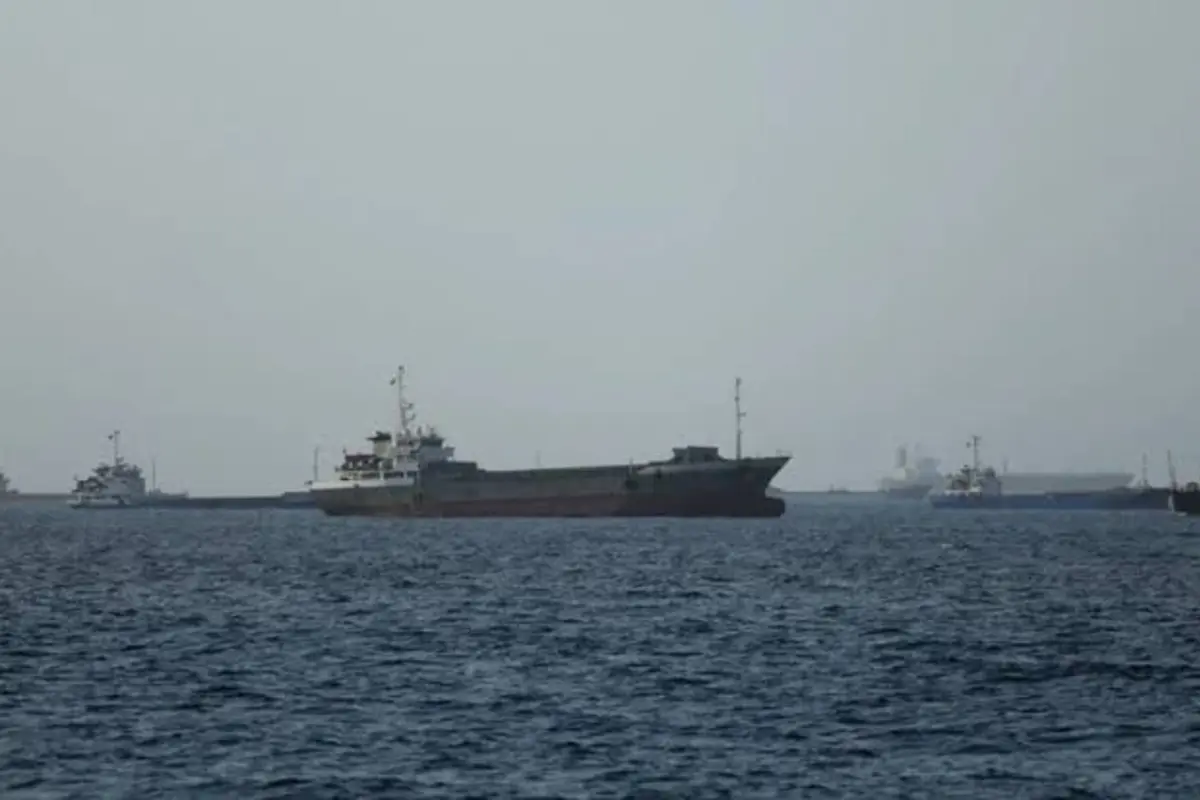
Ghalibaf’s specific warning regarding Hormuz control doctrine represents Iran’s most significant strategic assertion. By declaring that the Strait “will only open through Iranian arrangements,” the Parliament Speaker establishes that Tehran, not Washington, determines maritime access conditions. This represents inversion of traditional Gulf security architecture where American naval presence guaranteed unimpeded commerce.
The characterization of this arrangement as “not American threats” directly references Trump’s public statements threatening Iranian infrastructure. Ghalibaf signals that threats prove ineffective as pressure mechanism; Iranian maritime control derives from geography and military capability rather than American diplomatic willingness. By framing Hormuz access as dependent on “Iranian arrangements,” Ghalibaf asserts that Iran possesses unilateral authority to establish maritime conditions.
The metaphor “do not flail around pointlessly, or you will sink deeper” communicates Iranian assessment of American strategic confusion. Rather than rational cost-benefit analysis constraining American actions, the Parliament Speaker suggests that American decision-making appears desperate and increasingly disconnected from strategic reality. The warning implies that continued American pressure—absent recalibration toward acceptance of Iranian terms—will produce escalating damage to American interests.
Ghalibaf’s statements reflect broader Iranian strategic consensus established through senior leadership. The Parliament Speaker’s explicit warning follows IRGC operations striking American bases, Iranian strikes on 85 US military facilities, and documented proportional responses to American violations. This consistency across military and political leadership establishes that Iran speaks with unified voice regarding deterrent strategy.
The Hormuz doctrine carries practical implications for global commerce. Approximately 20 percent of global oil trade transits the Strait daily; Iranian control of this passage grants Tehran leverage extending far beyond bilateral Iran-US dynamics. European, Asian, and African economies depend on uninterrupted Hormuz access; therefore, Iranian assertion of control authority affects global economic stability.
American military presence in the Gulf—historically designed to guarantee maritime security—has become strategically constrained by Iranian deterrent capability. The United States Navy remains materially superior to Iranian forces; yet numerical advantage proves insufficient when confronting determined adversary controlling critical maritime chokepoint. This asymmetry—where smaller, more committed force constrains larger but operationally constrained force—characterizes contemporary Hormuz dynamics.
Ghalibaf’s warning ultimately establishes that American pressure mechanisms have been neutralized by Iranian military capability and geographic advantage. The Strait of Hormuz—critical to global energy security—operates under Iranian terms rather than American guarantee. This fundamental power shift represents Iran’s most consequential strategic achievement, converting geographic vulnerability into strategic dominance through military investment and organizational resolve.
Catch all the World News, Breaking News Event and Trending News Updates on GTV News
Join Our Whatsapp Channel GTV Whatsapp Official Channel to get the Daily News Update & Follow us on Google News.
Must Read


Pakistan
BOP Shareholders Unanimously Approve PKR 30 Billion Equity Injection by Government of the Punjab
8-September،2026