
Communal Violence in Uttarakhand; A Water Dispute Turned Fatal Exposes India’s Deepening Sectarian Fault Lines

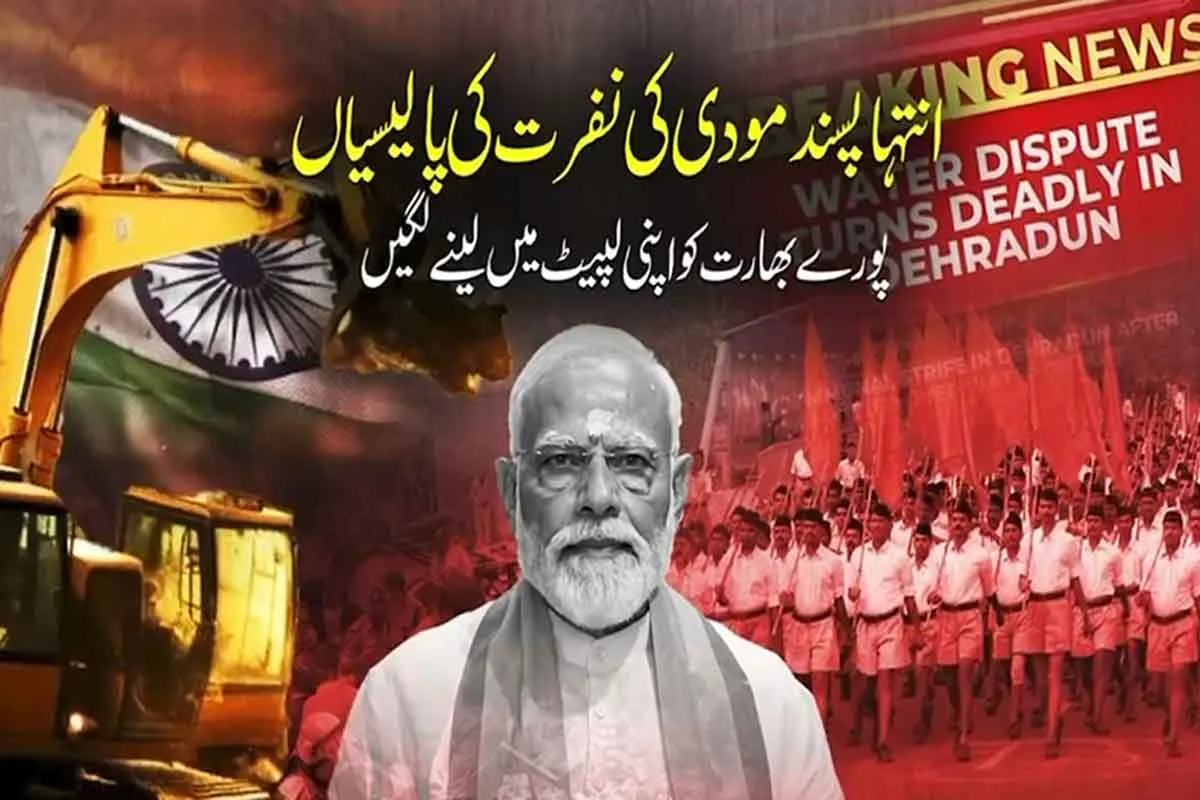
It started over irrigation rights. It ended with a death, three injured, a house demolished — and a neighborhood polarized along religious lines.
A property dispute over water access in Dehradun district, Uttarakhand has escalated into communal violence, killing one person and seriously injuring three others before triggering sectarian tensions that required police deployment, according to The Indian Express. Four suspects have been arrested. Authorities demolished a significant portion of the primary accused’s home in a move that itself generated controversy.
What The Indian Express Reported
The incident began as a local disagreement over irrigation water allocation between neighbors — the kind of dispute that occurs in agricultural communities across India daily. This one turned fatal. One person was killed, three others sustained serious injuries, and the immediate aftermath produced communal polarization in the surrounding area.
Police presence was established, four accused were detained, and authorities proceeded to demolish part of the main accused’s residence — an action The Indian Express highlighted as occurring under police supervision, raising procedural questions about due process and whether demolition constitutes extrajudicial punishment prior to conviction.
The Pattern This Incident Fits
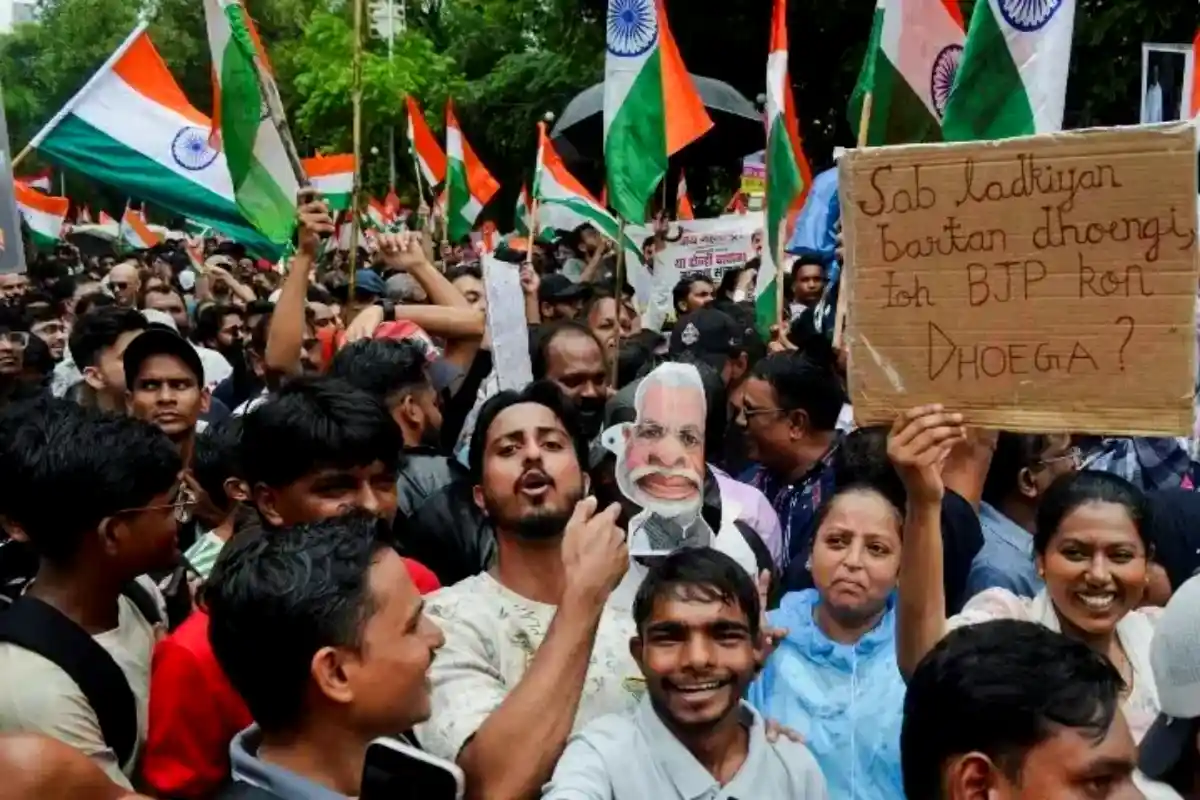
Analysts quoted in coverage of India’s internal tensions point to a consistent pattern: localized disputes over resources, land, or interpersonal conflict increasingly acquire communal dimensions that their original nature did not contain. Water disputes, parking disagreements, and commercial conflicts have repeatedly transformed into incidents framed through religious identity — a transformation that analysts argue does not occur spontaneously but reflects an underlying social environment shaped by years of identity-based political mobilization.
Uttarakhand is not Manipur or Nagaland — states where ethnic and sectarian violence has more established recent histories. Its emergence as a site of communal friction signals geographic expansion of tensions beyond traditionally volatile zones.
The Bulldozer Justice Question
The demolition of the accused’s home by authorities — before any conviction — echoes a pattern that has drawn significant legal scrutiny across multiple Indian states. Critics, including opposition politicians and civil liberties organizations, have characterized such demolitions as collective punishment and extrajudicial enforcement targeting specific communities. Supporters argue it represents swift administrative action against illegal construction.
The Supreme Court of India has previously issued guidelines restricting arbitrary demolitions. Whether the Dehradun demolition complied with those guidelines has not been publicly confirmed.
Analysts on the Structural Causes
Commentators and social researchers cited in coverage argue that communal incidents of this nature cannot be understood as isolated events. They point to years of political rhetoric, media ecosystems, and governance choices that have elevated religious identity as a primary category of social organization — creating conditions where resource disputes acquire communal framing almost automatically.
The argument is structural rather than conspiratorial: when religious identity becomes the dominant lens through which social competition is processed, previously ordinary conflicts transform into sectarian confrontations.
The Broader Governance Question
India’s internal diversity has historically required active management through institutional commitments to secular governance frameworks. Critics of the current administration argue those frameworks have been systematically deprioritized in favor of majoritarian political strategies that deliver electoral returns while accumulating social costs.
The Dehradun incident — one death, one demolished house, one polarized neighborhood — is small in scale. Its significance lies in what it represents: the normalization of communal escalation as the default response to ordinary social conflict.
That normalization, analysts warn, is the most consequential development — not any individual incident, but the pattern they collectively constitute.
Catch all the World News, Breaking News Event and Trending News Updates on GTV News
Join Our Whatsapp Channel GTV Whatsapp Official Channel to get the Daily News Update & Follow us on Google News.
Must Read


Pakistan
Development Activities Continue Under Balochistan Special Development Initiative
10-October،2026