
‘Love Island USA’, Alannah Keyser’s Faces Racial Slur Allegations as Family Mounts Defense

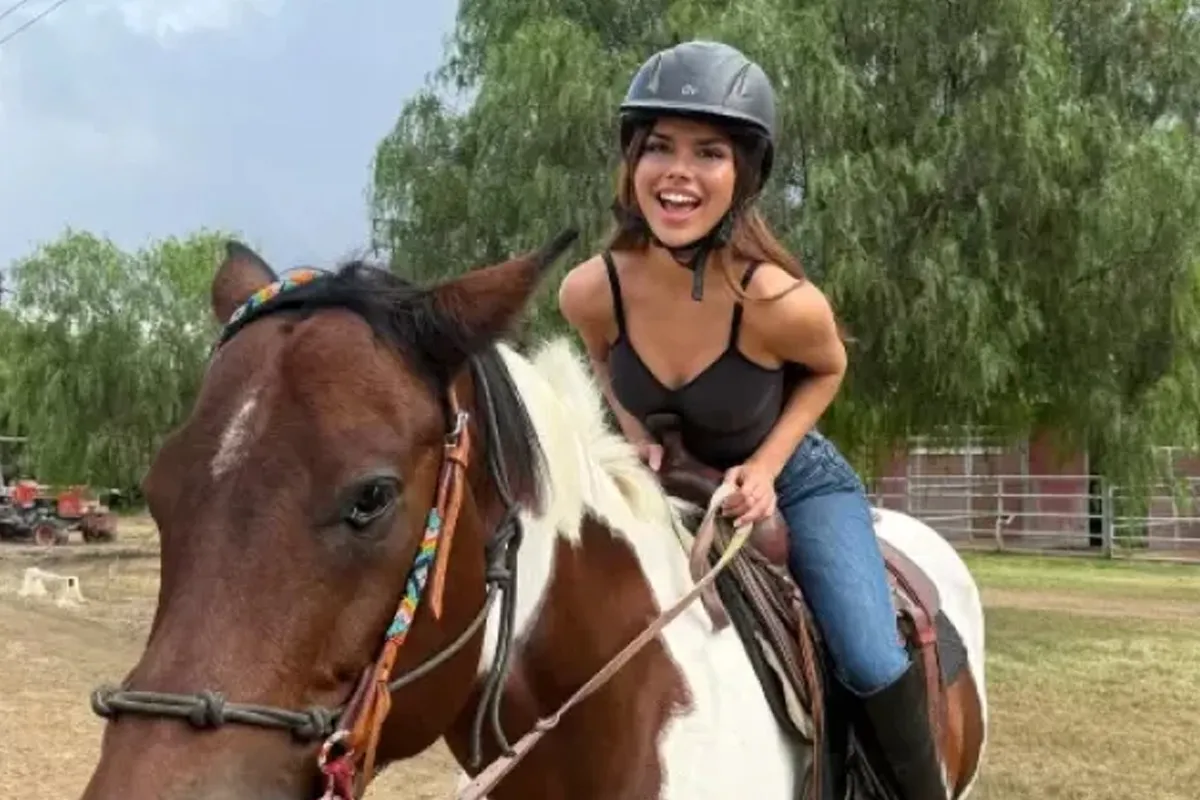
The introduction of Alannah Keyser as a Casa Amor bombshell on Love Island USA Season 8 triggered an immediate firestorm when resurfaced digital content allegedly showed her using racial slurs.
Within hours of her June 21 debut, viewers unearthed a video of her singing along to a track containing the N-word, along with social media posts suggesting prior instances of similar language use. The backlash prompted calls for her removal from the program, but her support network has rushed to counter the narrative with claims of authenticity manipulation and contextual misunderstanding.
This incident exemplifies a recurring tension in modern reality television: the collision between social media archaeology and instant judgment. Production companies increasingly face pressure to conduct deeper background checks, yet the sheer volume of digital history makes comprehensive vetting nearly impossible. Love Island franchises have long struggled with cast controversies, from offensive social media posts to documented behavioral issues, creating a pattern where network accountability becomes reactive rather than preventive.
Keyser’s father, Stephane, publicly defended his daughter to TMZ, characterizing her as an “educated sweetheart” with a diverse friend group. His defense strategy—emphasizing her personal relationships and character—mirrors standard family responses to public scandal. However, such testimonials, while emotionally compelling, lack independent verification mechanisms. A second figure, identified as her alleged ex-boyfriend Nick, posted a TikTok contesting the allegations’ authenticity, suggesting the screenshots could be artificially generated or contextually distorted. He acknowledged the disputed video’s ambiguity, claiming he could not definitively confirm the language used.
The defense raises legitimate questions about digital manipulation and context collapse—the phenomenon where isolated moments lose their original framing once circulated on social media. Deepfake technology and screenshot fabrication have genuinely complicated public discourse, making blanket judgment risky. Yet this uncertainty cuts both ways: it can shield actual misconduct under claims of inauthenticity.
Industry precedent suggests Love Island production has managed similar controversies inconsistently. The franchise has removed contestants for documented offensive behavior while retaining others despite social media criticism, indicating no standardized protocol exists. The lack of transparency around investigation procedures or decision-making criteria leaves audiences questioning whether consequences reflect genuine policy or reactive damage control.
The timing compounds the issue. Reality television operates on accelerated schedules where episodes air before comprehensive vetting occurs. Keyser’s introduction and the subsequent backlash unfolded within a single news cycle, limiting opportunity for thorough investigation or measured response from the network.
Moving forward, the industry faces pressure to establish clearer standards: predetermined criteria for cast disqualification, transparent investigation processes, and acknowledgment that both false accusations and actual misconduct pose reputational risks. This controversy will likely intensify scrutiny of casting protocols across all reality franchises, potentially forcing producers to choose between faster turnarounds and more rigorous screening.
The resolution—whether Love Island retains Keyser, removes her, or releases a formal statement—will signal whether reality television is genuinely committed to accountability or simply managing perception during active broadcast cycles.
Catch all the Trending News, Breaking News Event and Trending News Updates on GTV News
Join Our Whatsapp Channel GTV Whatsapp Official Channel to get the Daily News Update & Follow us on Google News.
Must Read