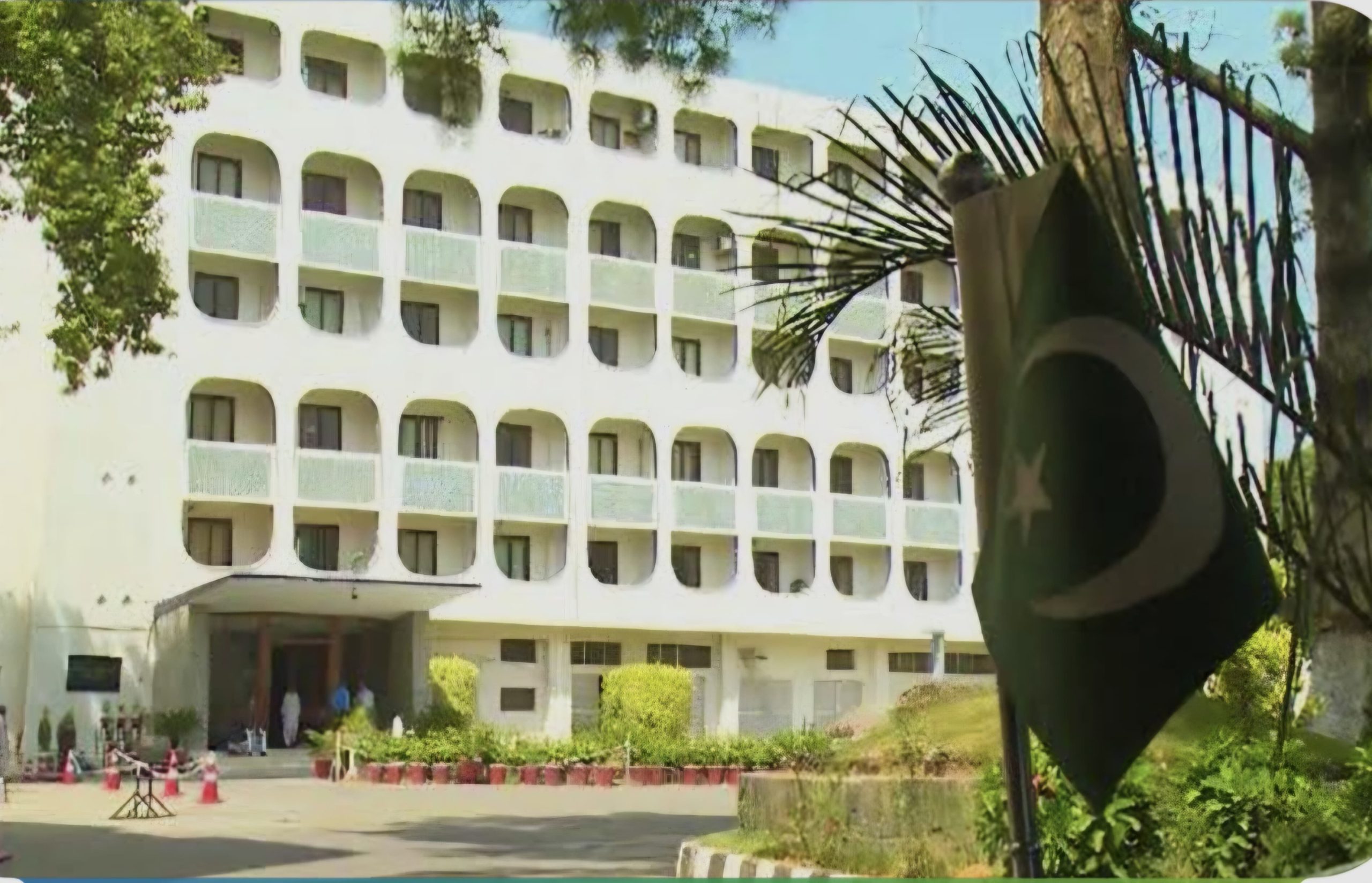

Pakistan Warns India’s Water Strategy Risks Regional Conflict

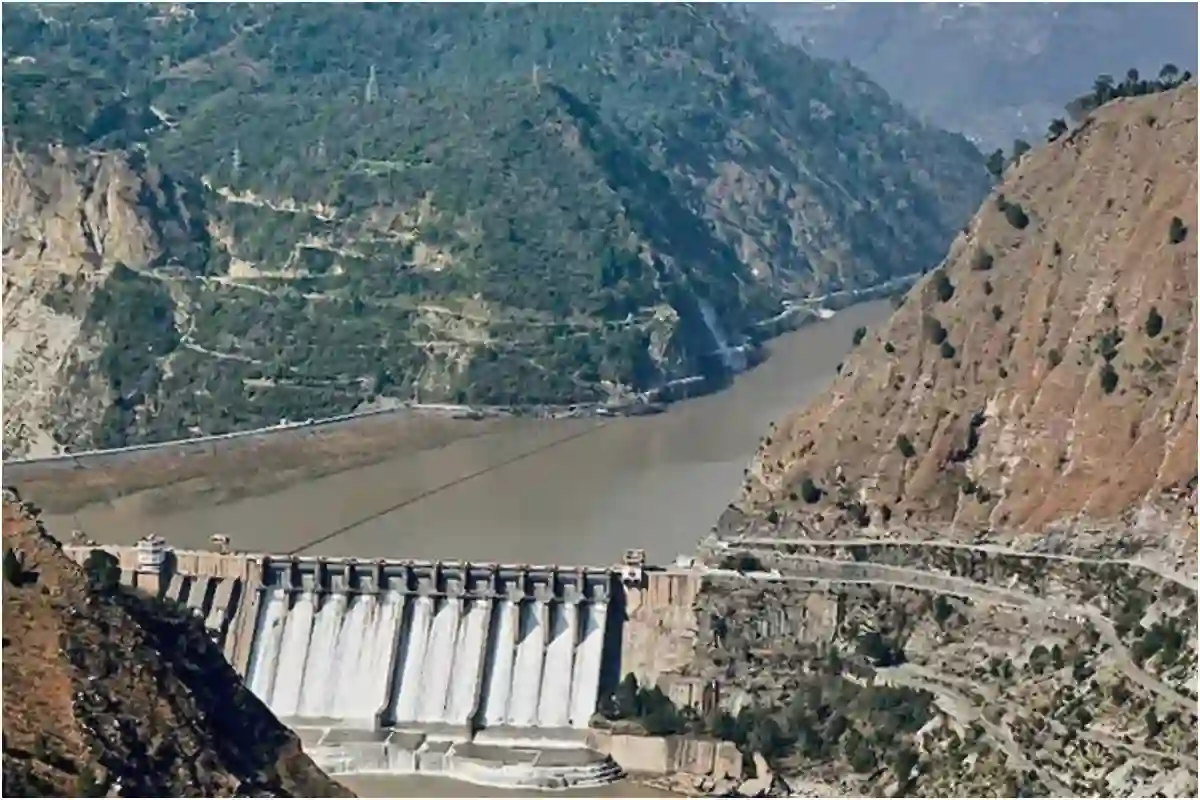
India Remains Silent as UN Deadline Passes for Indus Waters Treaty Response
ISLAMABAD – India’s recent actions concerning the Indus Waters Treaty have triggered serious alarm in Pakistan, with political leaders, policymakers, and water experts warning that New Delhi’s unilateral moves are endangering South Asia’s strategic stability and threatening the water security of millions.
A broad consensus has emerged across Pakistan’s political spectrum against what officials described as India’s “water aggression,” with leaders vowing to defend the country’s rights under the Indus Waters Treaty at every diplomatic, legal, and strategic forum.
Chairman of the Water and Power Development Authority said India’s attempts to move ahead with new projects on the western rivers were placing regional water security at grave risk. He warned that India’s unilateral suspension of the treaty amounted to a violation of international law and added that New Delhi had also stopped sharing hydrological data with Pakistan in breach of its legal obligations.
The withholding of water data, officials argue, is not merely a technical dispute but a dangerous escalation with far-reaching consequences for water management, agriculture, disaster planning, and trust between two nuclear-armed neighbors. Analysts in Islamabad say such actions undermine not only the treaty itself but also the wider architecture of peace and stability in South Asia.
Federal Information Minister Attaullah Tarar said India had gained nothing from suspending the treaty except diplomatic embarrassment, stressing that Pakistan’s share of water under the Indus Waters Treaty is an irrevocable right that cannot be erased by unilateral declarations. He maintained that India’s action carried neither moral legitimacy nor legal standing and accused New Delhi of undermining an internationally recognized agreement for political purposes.
Defence Minister Khawaja Muhammad Asif also adopted a firm tone, declaring that Pakistan would defend the treaty at all costs because it lies at the heart of the country’s water, food, energy, and national security. He rejected India’s pressure tactics and said unilateral coercive measures were unacceptable under any circumstances.
Other political leaders echoed the same concerns, describing India’s behavior as a reckless attempt to weaponize water in a region already burdened by instability and climate stress. Senator Dr Afnan Ullah Khan warned that any possible Indian interference in the upper flows of the Chenab River would amount to a clear legal violation, while Parliamentary Secretary for Information and Broadcasting Barrister Daniyal Chaudhry said water security remains a core pillar of Pakistan’s national security and that the treaty must be implemented rather than undermined through one-sided action.
Voices from across the political landscape stressed that India’s conduct runs counter to the principles of transparency, shared governance, and treaty compliance on common rivers. Dr Sharmila Faruqui said India must honor agreements instead of relying on intimidation, warning that respect for the Indus Waters Treaty is essential for peace in the region. Similar concerns were raised by Mir Ziaullah Langove Baloch, Senator Palwasha Khan, Uzma Bukhari, Barrister Aqeel Malik, Bilal Azhar Kayani, and Naz Baloch, all of whom stressed that Pakistan would not compromise on its legitimate water rights.
The growing concern in Pakistan reflects a deeper fear that India’s aggressive posture on water could become a tool of coercion against a lower riparian state whose agriculture, food system, and energy planning depend heavily on the uninterrupted flow of treaty-governed rivers. Officials have warned that turning water into a political weapon would not only hurt Pakistan’s economy and farming communities but could also set a dangerous precedent for the entire region.
With tensions already high in South Asia, Pakistan’s leadership appears determined to project a united front on the issue, arguing that the Indus Waters Treaty is not just a technical arrangement but a lifeline for millions of people. For Islamabad, the dispute is no longer limited to legal interpretation — it is now being framed as a matter of survival, sovereignty, and regional peace.
As India presses ahead with steps Pakistan considers unlawful and destabilizing, the message from Islamabad has grown sharper: water cannot be used as a weapon, international commitments cannot be suspended at will, and Pakistan will continue to raise its voice in defence of its rightful share under the treaty.
Catch all the Pakistan News, Breaking News Event and Trending News Updates on GTV News
Join Our Whatsapp Channel GTV Whatsapp Official Channel to get the Daily News Update & Follow us on Google News.
Must Read



World
Iran Launches Missile Barrage at US Base in Jordan After Attacks on Oil Tankers
9-September،2026