
Balochistan announces summer vacations from May 23 in heat-hit areas

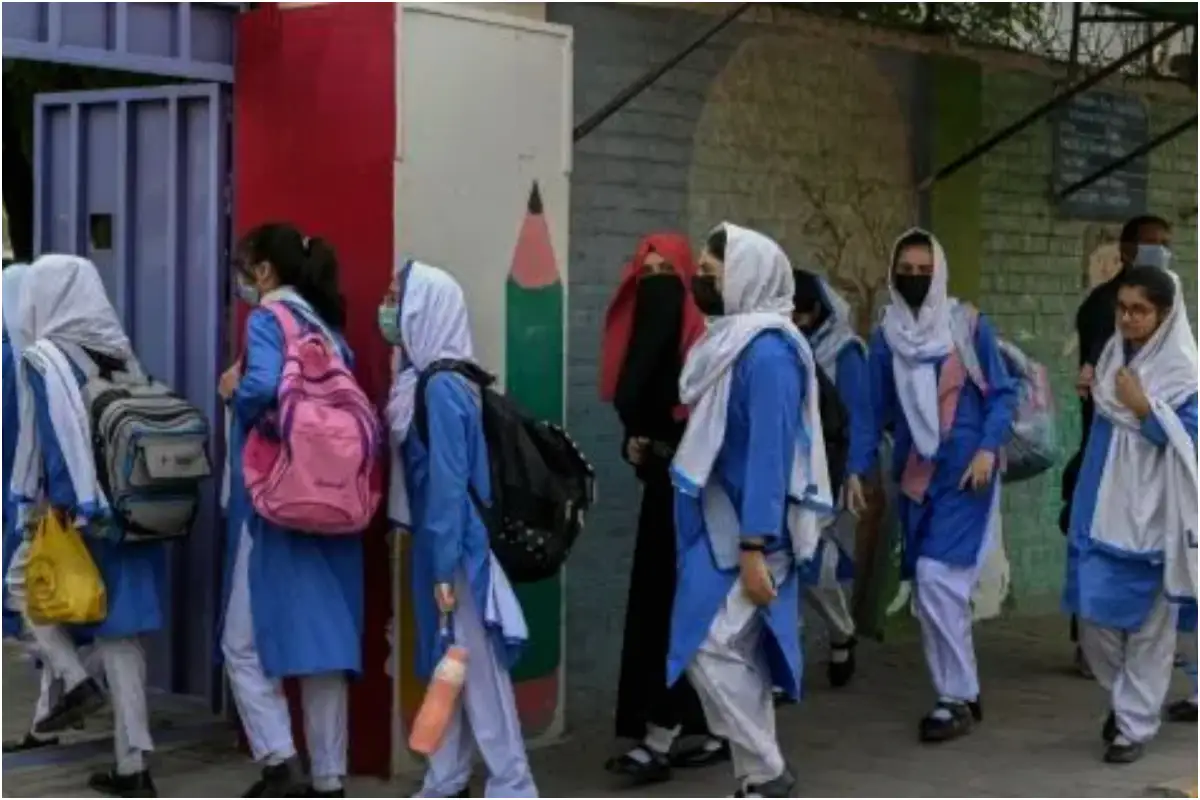
Balochistan announces summer vacations from May 23 in heat-hit areas
When a provincial government shuts down every school and college across its hottest districts for over two months, it’s tempting to file it under routine administration.
Don’t. Balochistan’s decision to suspend educational activity in its summer zone from May 23 to July 31, 2026, is a direct admission that climate stress is now actively disrupting the academic calendar — and the implications stretch well beyond a long holiday.
The Order and What It Actually Covers
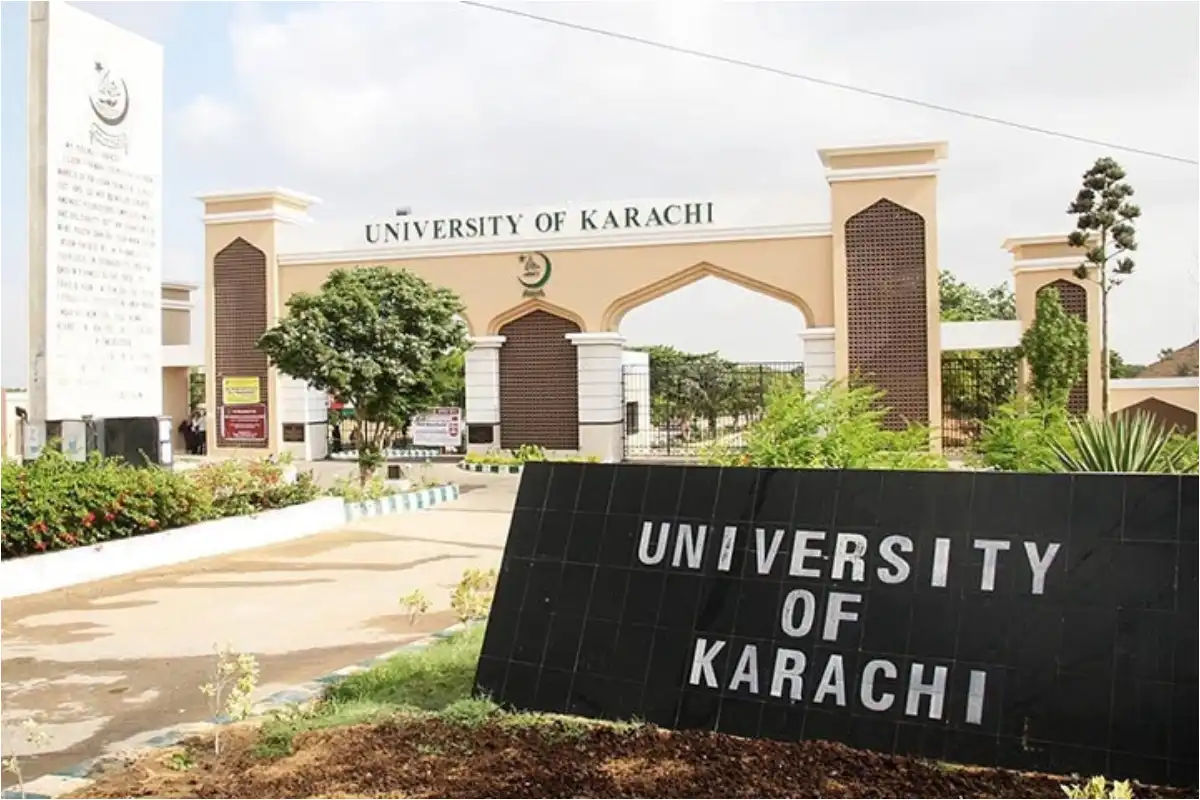
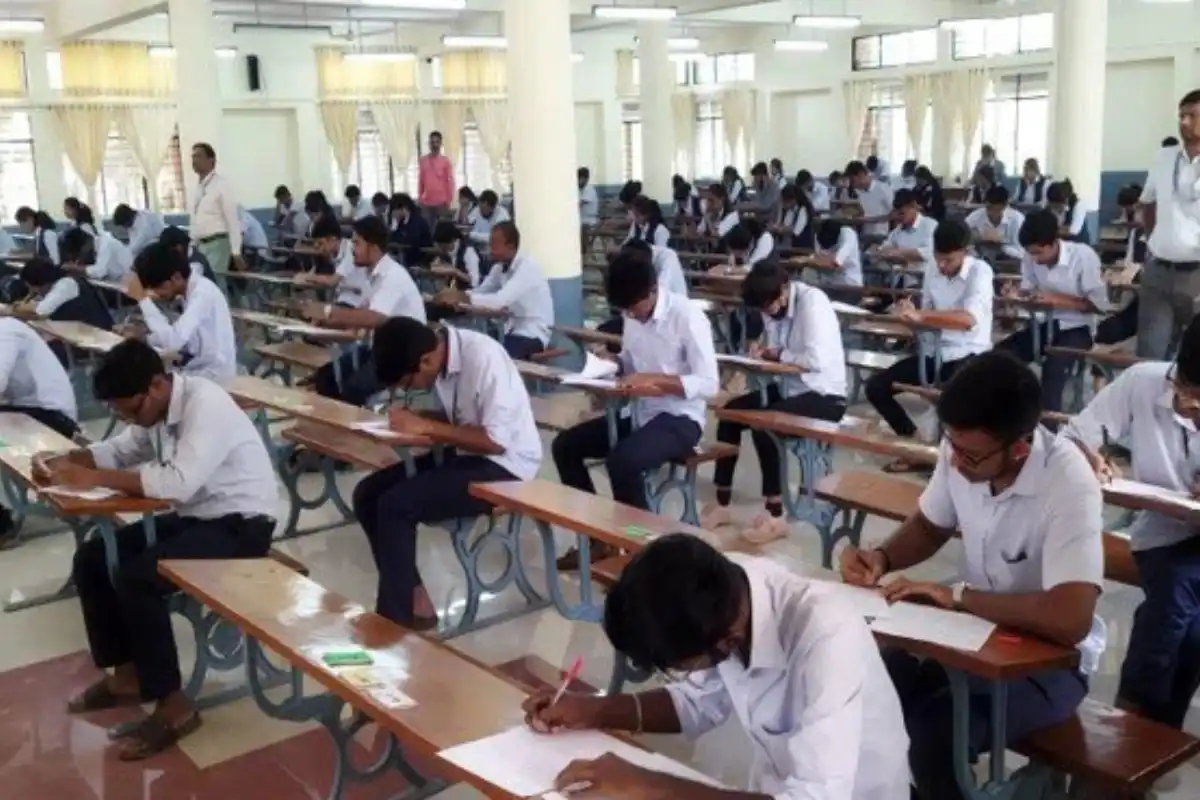
The Balochistan Education Department’s notification applies to all government and private schools, colleges, and other educational institutions in the province’s designated summer zone. That’s a sweeping directive, affecting tens of thousands of students across districts where temperatures routinely breach dangerous thresholds by late May.
The closure runs for over ten weeks — from May 23 through July 31. Crucially, the department has not just announced a shutdown; it has issued pre-closure operational directives requiring institution heads to finalize administrative records, official documents, and internal arrangements before the holidays begin.
Notably, all pending work related to the ongoing digital census process must also be completed before closure — signaling that the government is threading bureaucratic deadlines into the vacation window to avoid cascading delays.
Why Balochistan’s Summer Zones Are a Distinct Challenge
Balochistan is Pakistan’s largest province by area and among its most climatically varied. Its summer zones — typically low-lying districts in the south and east — experience punishing heat that makes functioning classrooms a health risk, not a learning environment. Unlike Punjab or Sindh, where urban infrastructure may offer partial mitigation, many Balochistan schools lack electricity, functioning fans, or adequate ventilation.
This isn’t the first time the province has moved swiftly on summer closures. In recent years, the window has gradually expanded as temperature records have climbed. The 2026 announcement arriving before the third week of May — earlier than some prior years — reflects an accelerating pattern rather than a one-off response.
The Academic Cost Nobody Is Calculating
A 70-day closure is significant lost instructional time. Pakistan’s education system, particularly in Balochistan, already grapples with high dropout rates, low enrollment in rural areas, and chronic teacher shortages. Extended breaks disproportionately affect girls’ education, as social pressures during long holidays often translate into non-return.
Education policymakers have long debated whether year-round schooling with shorter, staggered breaks would serve climate-stressed provinces better than one prolonged shutdown. Balochistan’s recurring summer closure makes that conversation urgent.
What Parents and Students Should Do Now
Families in the summer zone should treat the May 22 deadline seriously — any unresolved school paperwork, fee clearances, or transfer certificates should be processed before closure. Institutions will be in administrative lockdown after May 23.
The broader signal is clear: Balochistan is managing a climate reality, not scheduling a convenience. Until schools are built to withstand the heat, the calendar will keep bending around the weather.
Catch all the Education News, Breaking News Event and Trending News Updates on GTV News
Join Our Whatsapp Channel GTV Whatsapp Official Channel to get the Daily News Update & Follow us on Google News.
Must Read


Pakistan
Bilawal Bhutto Pays Tribute to Karsaz Martyrs, Calls for Unity Against Terrorism
18-October،2026